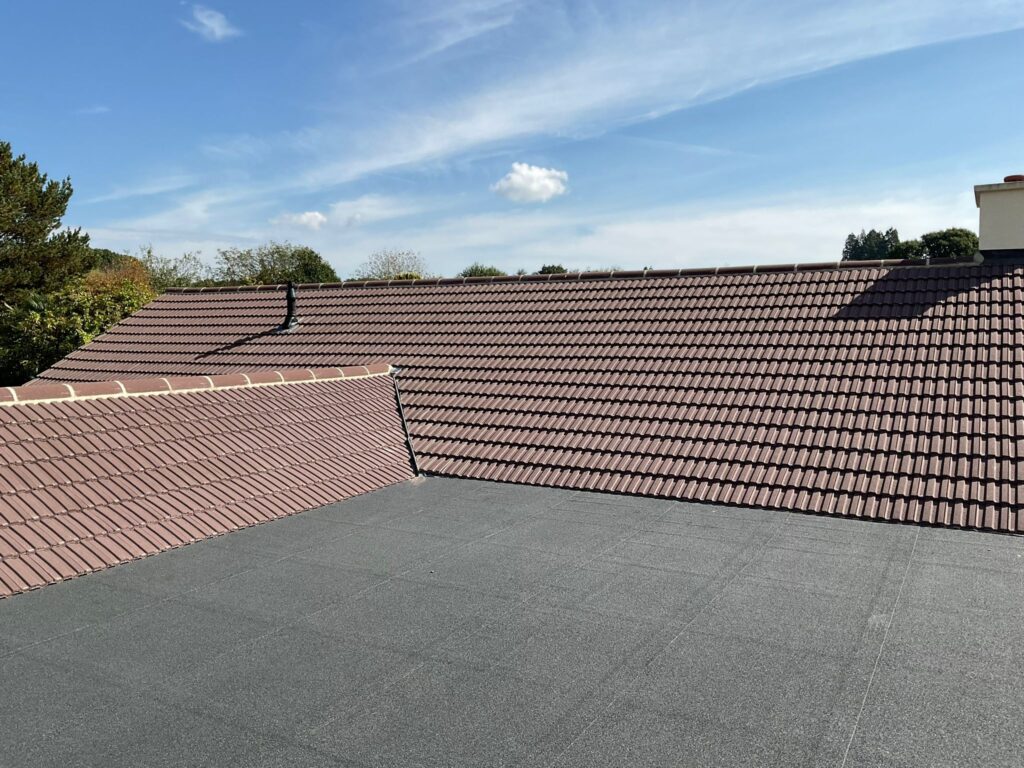
A roof can develop problems gradually, and the first warning signs are not always dramatic. A small damp mark, an uneven tile or debris in the gutter may be the earliest indication that part of the roofing system is no longer performing correctly.
Recognising these signs early gives property owners in Willerby, East Riding of Yorkshire, an opportunity to arrange a professional inspection before moisture affects a wider area. Not every defect requires extensive work, but identifying its cause is essential if a repair is to provide a reliable result.
Common Warning Signs That Your Roof May Need Repair
Roof defects can appear both inside and outside a property. Some are easy to spot from ground level, while others only become apparent during prolonged rain or when the roof space is inspected.
Damp Patches on Ceilings or Walls
Water stains, discoloured plaster and damp patches are common signs of roof leakage. However, the visible mark may not be directly beneath the point where water is entering.
Moisture can travel along underlay, rafters and other structural components before reaching the ceiling. A professional inspection is therefore needed to trace the route of the water rather than repairing the area based solely on the position of the internal stain.
Slipped, Cracked or Missing Tiles
Tiles form the roof’s primary barrier against the weather. If one becomes cracked, loose or displaced, it can leave the underlay exposed and allow wind-driven rain beneath the covering.
Several affected tiles may indicate weakened fixings, deteriorating battens or a problem extending across the roof slope. The surrounding materials should be checked rather than assuming that replacing the most visible tile will resolve the issue completely.
Roof Debris Around the Property
Fragments of tile, slate, mortar or other roofing material found near the building should not be ignored. They may have fallen from a ridge, verge, chimney or roof slope.
Even small fragments can reveal that a component is starting to deteriorate. The source should be identified promptly, particularly when the affected section is not clearly visible from the ground.
Problems Around Chimneys and Flashing
Chimneys and roof junctions depend on carefully installed flashing to keep water out. Leadwork can lift, split or pull away from adjoining surfaces, while mortar joints may crack or crumble.
Damp appearing near a chimney does not always mean that the chimney itself is the only issue. The flashing, surrounding tiles and adjacent roof materials should all be assessed to find the precise entry point.
Sagging or Uneven Rooflines
A visible dip or uneven section of the roof requires professional attention. It may relate to damaged battens, moisture-affected decking or movement within the supporting structure.
An uneven appearance does not reveal the cause on its own. Inspection of both the outer covering and the materials beneath it is necessary before an appropriate repair can be determined.
Granules or Material Collecting in Gutters
Some roofing materials gradually shed surface particles as they weather. A small amount may be expected, but a noticeable increase can indicate that the covering is deteriorating.
Gutters may also collect broken mortar, tile fragments or pieces of underlay. Examining this debris can help identify which part of the roof requires closer attention.
Daylight Visible From the Roof Space
Daylight entering the loft may reveal a gap in the roof covering, but not every opening is visible from inside. Underlay can conceal displaced tiles, while legitimate ventilation points may also admit some light.
Any unexplained gap should be investigated, particularly if it is accompanied by damp insulation, staining on timbers or signs of water ingress.
Moss Growth Accompanied by Tile Damage
Moss alone does not automatically mean that a roof needs repair. Concern arises when dense growth retains moisture, blocks drainage channels or grows beneath overlapping tiles.
Removing moss without assessing the surface can disturb already weakened materials. Where tiles appear cracked, lifted or badly weathered, their condition should be checked before any cleaning or maintenance is undertaken.
A Leak That Appears Only in Certain Weather
Some leaks occur only during wind-driven rain, prolonged rainfall or when water approaches the roof from a particular direction. Intermittent leaks can still indicate a genuine defect.
The weather conditions in which the leak appears may help a roofer identify whether the source involves tiles, flashing, valleys or another vulnerable junction. Waiting for the leak to become constant may allow hidden moisture damage to spread.
Why a Professional Roof Inspection Matters
A roof inspection examines the relationship between the covering, fixings, battens, underlay, flashing and drainage components. This wider approach helps distinguish an isolated repair from a problem affecting several connected areas.
It also reduces the risk of treating only the visible symptom. A correctly diagnosed repair should address the route through which water or movement is affecting the roof, while leaving sound materials undisturbed.
Conclusion
The most common signs that a roof needs repair include damp patches, displaced tiles, fallen debris, damaged flashing, uneven rooflines and recurring leaks. Even minor warning signs deserve attention when they persist or appear alongside other defects.
If you have noticed a possible roofing problem at your property in Willerby, East Riding of Yorkshire, TRP Roofing Willerby can inspect the affected area and identify the appropriate repair. Contact us to arrange a professional assessment based on the roof’s actual condition.
Call us on: 01482 429 194
Click here to find out more about TRP Roofing Willerby
Click here to complete our contact form and see how we can help with your roofing needs.