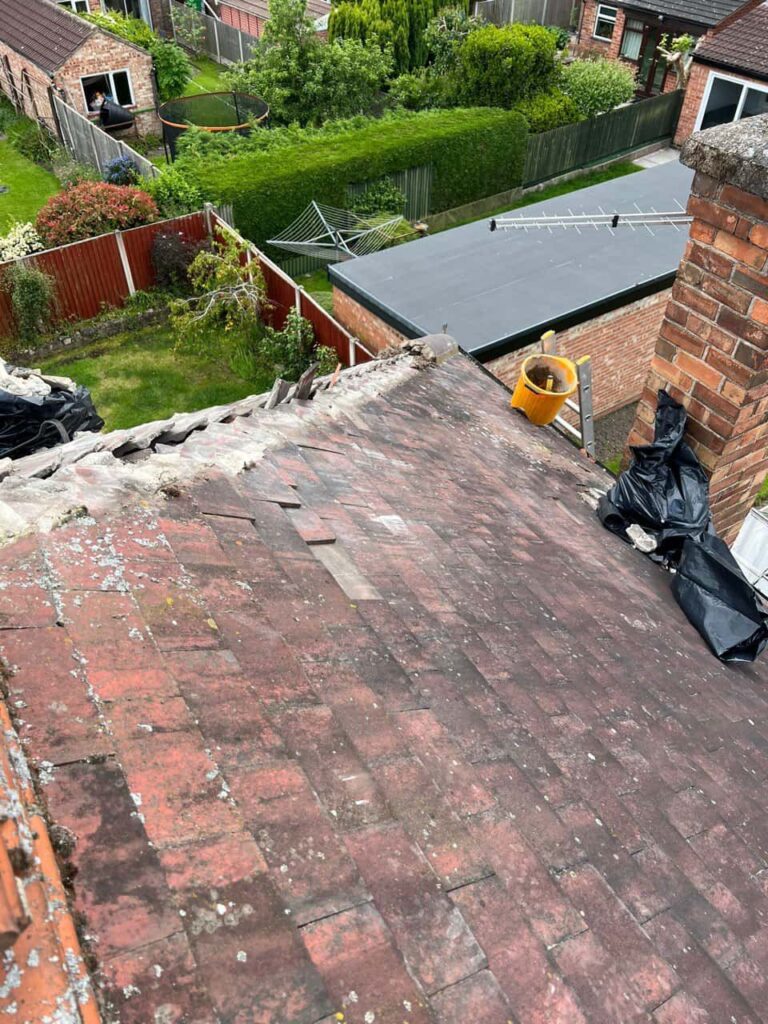
Roof repairs are often associated with obvious problems such as active leaks, missing tiles or significant storm damage. However, a roof does not need to be failing before professional attention becomes worthwhile. In fact, dealing with smaller areas of deterioration while the wider roofing system remains sound can be one of the most effective ways to keep a roof performing properly.
For homeowners in Willerby, East Riding of Yorkshire, recognising the difference between normal ageing and defects that deserve attention can help prevent avoidable deterioration. At TRP Roofing Willerby, we assess roofs carefully and carry out appropriate repairs where individual components need attention, helping homeowners maintain reliable weather protection without assuming that every problem requires major roofing work.
A Roof Can Be Functional Without Being Problem-Free
A roof may still be keeping the property dry while developing early signs of wear.
Roofing systems contain numerous individual components, and these do not necessarily deteriorate at exactly the same rate. One tile might crack while hundreds of surrounding tiles remain perfectly serviceable. Flashing around a particular junction might begin to deteriorate even though the main roof covering is still performing well.
These localised defects are precisely where timely roof repairs can provide significant value.
Small Tile Defects Are Worth Addressing
Cracked, slipped or damaged roof tiles are common examples of problems that may not immediately cause a roof to fail.
However, tiles form the outer protective covering of the roof. Once individual sections become compromised, the materials beneath can become more exposed to wind-driven rain and changing weather conditions.
Professional repairs can involve replacing individual defective tiles while retaining the sound surrounding roof covering.
This targeted approach helps preserve the existing roofing system rather than waiting until minor deterioration becomes more widespread.
Loose Tiles Can Become More Vulnerable Over Time
A tile does not need to be completely missing to require attention.
Movement can occur because of ageing fixings, previous weather exposure or deterioration around surrounding components. A slightly displaced tile may continue providing some protection initially, but further movement can increase the exposed area beneath it.
Identifying and securing vulnerable areas early can help maintain consistent protection across the roof.
Flashing Can Need Repair Before a Leak Appears
Lead flashing and other weatherproofing details are particularly important around roof junctions.
These areas may include:
- Chimneys
- Abutments
- Valleys
- Changes in roof level
- Other roof intersections
Over time, flashing can lift, crack or become less secure. These defects may exist before visible water staining develops inside the property.
Repairing deteriorating flashing at this stage can help prevent water ingress rather than responding after it has already occurred.
Ridge and Hip Areas Deserve Attention
Ridge and hip tiles occupy particularly exposed positions on many roofs.
Weathering can gradually affect their fixings or surrounding materials, resulting in individual sections becoming loose or damaged.
A roof may otherwise remain in good condition, making localised ridge or hip repairs a practical way to restore vulnerable areas without disturbing sound sections unnecessarily.
Roof Valleys Can Develop Localised Problems
Roof valleys perform a demanding role because they channel significant amounts of rainwater.
Debris, deterioration or damage within a valley can interfere with effective drainage and create a vulnerable point within an otherwise functional roof.
Because valleys are critical to water management, small defects in these areas should not be dismissed simply because there is no visible internal leak.
Your Roofline Is Part of the Roofing System
The performance of a roof also depends on components around its edges.
Fascias, soffits and guttering contribute to effective rainwater management and help protect vulnerable parts of the roof structure.
Signs that roofline repairs may be useful include:
- Loose guttering
- Overflowing sections
- Damaged fascia boards
- Loose or deteriorating soffits
- Poor drainage around roof edges
Maintaining these components supports the performance of the wider roof.
Previous Repairs May Need Checking
A roof can remain fundamentally sound while an older repair begins to deteriorate.
Materials used during previous work have also experienced years of weather exposure. Over time, particular repaired areas may require further attention even when the surrounding original roof remains serviceable.
A professional inspection can determine whether the issue is confined to the previous repair or indicates deterioration elsewhere.
Minor Leaks Do Not Automatically Mean Roof Replacement
Discovering a leak understandably causes concern, but water ingress does not automatically mean the entire roof has failed.
A leak can sometimes originate from a relatively small defect such as:
- One damaged tile
- Deteriorated flashing
- A vulnerable roof junction
- Localised valley damage
- A displaced roofing component
The important step is identifying the actual source.
Rainwater can travel beneath roofing materials before appearing internally, so repairing the area directly above a ceiling stain may not solve the problem. Professional investigation is valuable because it focuses on finding where the water is entering rather than simply where it becomes visible.
Preventative Repairs Can Extend Useful Roof Life
A sound roof represents a complete system worth maintaining.
If individual defects are allowed to remain, they can place unnecessary pressure on surrounding components. Moisture entering through one damaged area can potentially affect battens, underlay or other materials beneath the visible covering.
Carrying out appropriate repairs while problems remain limited can help preserve the serviceable parts of the roof for longer.
This is particularly important as a roof ages and occasional maintenance becomes more likely.
What Signs Should Homeowners Look For?
You do not need to wait for water to enter the property before considering a roof inspection.
From ground level, homeowners may notice:
- Cracked or broken tiles
- Slipped tiles
- Changes along the roofline
- Loose guttering
- Debris from roofing materials on the ground
- Visible deterioration around roof details
Inside the property, signs such as unexplained damp patches or changes within the loft space may also warrant further investigation.
Homeowners should avoid attempting to access the roof themselves. A professional inspection provides a much more appropriate way to determine whether repairs are needed.
Regular Inspections Become More Useful as Roofs Age
Roof deterioration is usually gradual rather than sudden.
Periodic inspection provides an opportunity to identify changes before they become significant. This can be particularly useful for an older roof that remains generally serviceable but naturally requires more maintenance than a recently installed system.
An experienced roofer can assess:
- Tiles or slates
- Ridge and hip details
- Flashing
- Valleys
- Roof junctions
- Fascias and soffits
- Guttering
- Previous repair areas
- General signs of weathering
The objective is not to find unnecessary work, but to understand whether any developing defects could affect future performance.
Repairing a Roof Is Different from Replacing It
Good roofing advice should distinguish between localised problems and widespread failure.
Repairs are often appropriate where:
- Most roofing materials remain sound
- Damage is concentrated in specific areas
- The underlying structure remains satisfactory
- Previous repairs have generally performed well
- Defects can be resolved individually
Replacement becomes a different consideration when deterioration is extensive across the roofing system and individual repairs are no longer providing dependable results.
A professional assessment helps establish where a particular roof sits between these two situations.
Why Waiting for Failure Is Rarely the Best Approach
It can be tempting to assume that a roof needs no attention while it continues keeping the interior dry.
However, visible leaks are often a later symptom of deterioration rather than the beginning of the problem.
Addressing cracked tiles, vulnerable flashing or loose roof components before water penetration develops can help avoid unnecessary damage beneath the roof covering.
Roof maintenance is therefore most effective when it is proactive rather than entirely reactive.
Why Choose TRP Roofing Willerby?
At TRP Roofing Willerby, we provide professional roofing services throughout Willerby, East Riding of Yorkshire, with an emphasis on identifying what each roof genuinely requires.
Where a roofing system remains fundamentally sound, carefully targeted repairs can restore vulnerable areas and help maintain dependable performance. If more extensive deterioration is identified, we can explain the condition clearly and recommend an appropriate solution.
Our approach focuses on careful assessment, quality workmanship and repairs that address the actual cause of roofing problems rather than simply treating visible symptoms.
Conclusion
Your roof does not need to be failing before it can benefit from professional repairs. Cracked tiles, ageing flashing, loose ridge components, deteriorating valleys and roofline defects can all develop while the majority of the roofing system remains perfectly serviceable.
Addressing these problems early can help preserve sound roofing materials, maintain effective weather protection and prevent small areas of deterioration from developing into larger concerns.
For homeowners in Willerby, East Riding of Yorkshire, TRP Roofing Willerby provides professional roof inspections and repairs based on the individual condition of each property. If your roof is still performing but has begun showing signs of wear, arranging an assessment can help identify whether targeted repairs would keep it working reliably for longer.
Call us on: 01482 429 194
Click here to find out more about TRP Roofing Willerby
Click here to complete our contact form and see how we can help with your roofing needs.