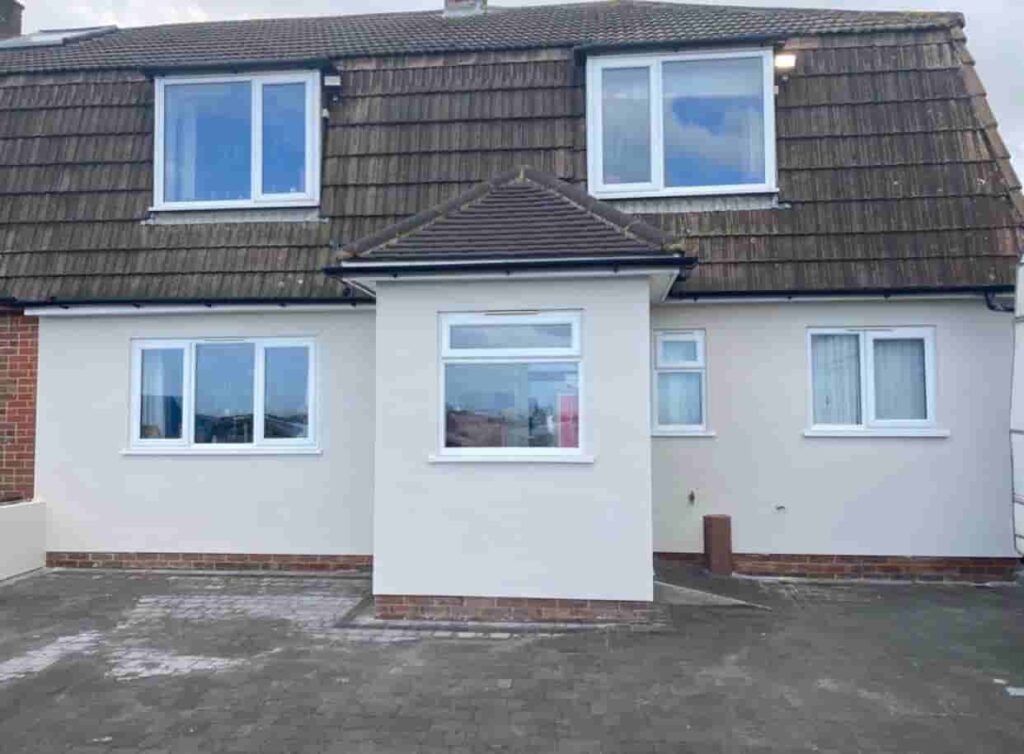
Flashing is an important part of a roofing system, helping prevent rainwater from entering at vulnerable points where different surfaces meet. It is commonly found around roof junctions, chimneys, walls and other areas where the roof covering requires additional protection.
When flashing becomes damaged, loose or deteriorated, water can find its way beneath the roofing materials. For homeowners in Willerby, East Riding of Yorkshire, understanding how flashing contributes to persistent roof leaks can help identify the problem and arrange appropriate repairs before further damage occurs.
Why Is Flashing Important?
Flashing is designed to direct water away from vulnerable roof junctions. While roof tiles or other coverings protect the main roof area, junctions and changes in direction require additional protection to prevent water from finding gaps.
Effective flashing creates a weather-resistant barrier and helps guide rainwater towards the appropriate drainage routes. If this barrier fails, water can enter areas that would normally remain protected.
How Can Damaged Flashing Cause Persistent Leaks?
Cracks Can Create Entry Points for Water
Flashing can deteriorate over time due to repeated exposure to rain, wind and temperature changes. Cracks or splits can create small openings through which water can penetrate.
A leak may initially be minor, but repeated exposure to moisture can cause the affected area to deteriorate further. This can result in a leak that appears repeatedly, particularly during periods of heavy rainfall.
Loose Flashing Can Allow Water Beneath the Roof Covering
Flashing needs to remain securely positioned to perform effectively. If sections become loose or lift away from the surface, gaps can develop along the junction.
Rainwater can then travel beneath the flashing rather than being directed away from the roof. Wind can make the problem worse by lifting or moving already weakened sections.
Deteriorated Seals Can Allow Moisture Through
Some flashing installations rely on sealants or other materials to help prevent water from entering around joints. These can deteriorate over time.
Once a seal has failed, water may find its way through small gaps around the flashing. Applying a temporary seal over visible damage may not provide a lasting solution if the flashing itself has become defective.
Poorly Positioned Flashing Can Affect Drainage
Flashing needs to be correctly positioned so that water is directed away from vulnerable areas. If it has shifted or was not installed correctly, water may collect rather than drain away efficiently.
Standing water around a roof junction increases the opportunity for moisture to enter through gaps or defects.
What Are the Signs of a Flashing Problem?
A persistent leak around a chimney, wall junction or other roof intersection can indicate a problem with flashing. Damp patches or water staining on ceilings and upper walls may also be signs of water ingress.
External warning signs can include visibly lifted flashing, damaged sections, deteriorated mortar around a junction or gaps where flashing meets the surrounding roof materials.
However, the location of an internal damp mark does not always correspond directly with the point where water is entering. Water can travel along roofing components before becoming visible inside the property.
Why Does a Flashing Leak Keep Coming Back?
A recurring leak often means that the underlying source of water ingress has not been properly addressed. Applying a temporary seal or repairing an internal stain may only deal with the visible symptom.
If damaged flashing remains in place, rainwater can continue to enter whenever conditions are suitable. Identifying the actual entry point and assessing the condition of the flashing is therefore important when dealing with persistent leaks.
Can Damaged Flashing Be Repaired?
The appropriate solution depends on the condition and extent of the damage. A small defect may be repairable if the surrounding flashing remains secure and structurally sound.
Where flashing is extensively deteriorated, displaced or incorrectly installed, replacement may be more appropriate. The surrounding roofing materials should also be checked to determine whether water ingress has affected adjacent areas.
Why Is Professional Flashing Repair Important?
Flashing is positioned in areas where several roofing components meet, making accurate installation particularly important. A repair needs to create a reliable connection between the flashing and surrounding surfaces while allowing water to drain correctly.
Professional assessment can also help identify whether the flashing is actually responsible for the leak or whether another roofing defect is allowing water to enter nearby.
What Can Happen If Damaged Flashing Is Ignored?
Persistent water ingress can gradually affect roofing materials and areas beneath the roof covering. Continued moisture exposure may result in deterioration that extends beyond the original flashing problem.
Addressing damaged flashing early can help limit the opportunity for water to enter and prevent a relatively localised defect from developing into a wider roofing issue.
Conclusion
Damaged flashing can be a common cause of persistent roof leaks because it protects some of the most vulnerable points on a roof. Cracks, loose sections, failed seals and poor positioning can all allow rainwater to enter where it should be directed away.
For homeowners in Willerby, East Riding of Yorkshire, identifying and addressing flashing problems early can help protect the wider roofing system. If you have a recurring leak or have noticed damaged flashing, contact TRP Roofing Willerby to discuss your requirements and arrange an assessment.
Call us on: 01482 429 194
Click here to find out more about TRP Roofing Willerby
Click here to complete our contact form and see how we can help with your roofing needs.