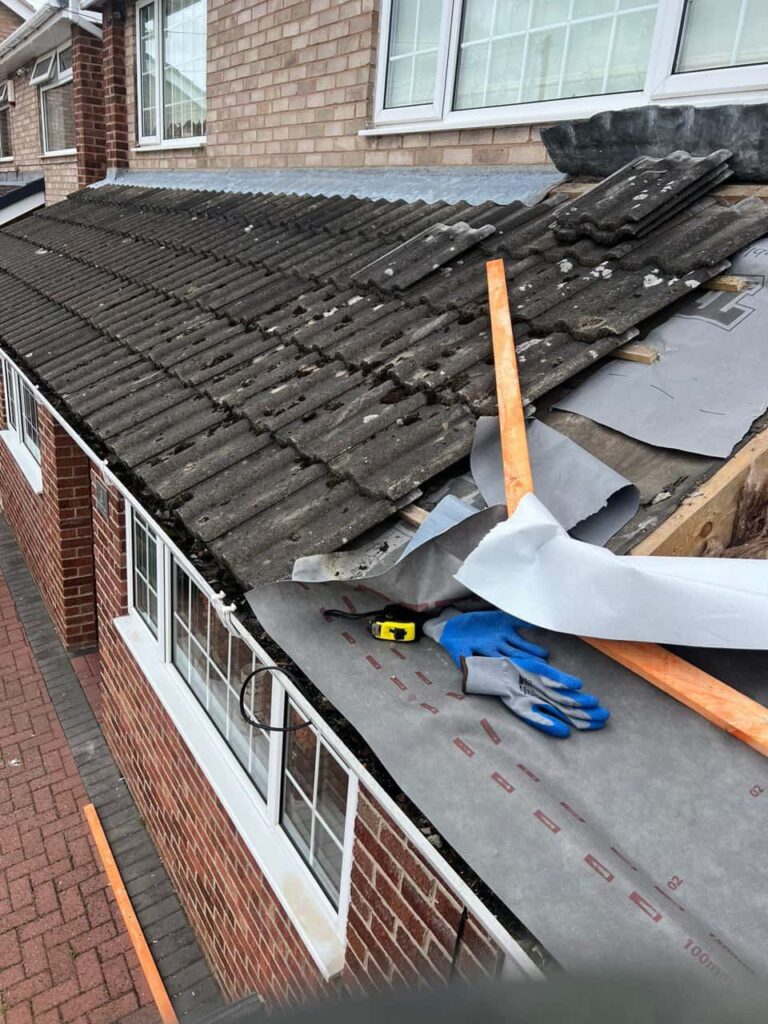
Taking the Right Steps After Finding Water Inside Your Property
Discovering a roof leak can be unsettling, especially during heavy rainfall. The immediate priorities are to protect people, limit internal water damage and arrange a professional roof inspection. Avoid climbing onto the roof or attempting an external repair in wet or windy conditions.
For property owners in Willerby, East Riding of Yorkshire, acting promptly can help prevent a localised defect from affecting insulation, ceilings, timber and other parts of the roof structure.
Keep Clear of Electrical Fittings
Water near lights, sockets or electrical equipment requires particular care. Do not touch wet fittings or use electrical items in the affected area.
If it is safe to do so, isolate the relevant electrical supply at the consumer unit. When there is uncertainty, keep people away from the area and obtain appropriate professional assistance. Personal safety should take priority over protecting possessions.
Contain the Water Indoors
Place a suitable container beneath an active drip and move furniture, electronics and other belongings away from the affected area. Towels or protective coverings can help contain minor splashes.
If water is causing a ceiling to bulge, do not stand beneath it. A saturated ceiling can become heavy and unstable. Keep the area clear until it has been assessed.
These measures will not repair the roof, but they can reduce secondary damage while professional help is arranged.
Record What You Can See
Useful information can make the roof inspection more efficient. Without taking risks, note:
- Where the water first appeared
- Whether it drips continuously or intermittently
- What time the leak began
- The intensity and direction of the rain
- Whether the mark grows during particular weather
- Any recent tile movement or external damage
- Whether the same area has leaked before
Photographs of internal staining can also help show how the leak developed. There is no need to enter an unsafe loft or climb onto the roof.
Check the Loft Only If It Is Safe
If the loft is safely accessible, a visual check from a secure boarded area may provide useful clues. Use a torch rather than touching damp materials.
Possible signs of water ingress include:
- Wet or darkened roof timbers
- Damp insulation
- Water running along rafters
- Staining on the underlay
- Drips around chimney or roof junctions
- Daylight visible through the roof covering
- A musty smell
Water often travels before becoming visible below, so the damp area inside the loft may not sit directly beneath the external defect.
Arrange a Professional Roof Inspection Promptly
A roof leak should be investigated even if the dripping stops when the rain ends. Dry weather does not mean that the defect has repaired itself.
A professional roofer can inspect the likely entry points and determine whether the problem is isolated or connected to wider deterioration. The assessment may cover:
- Cracked, missing or displaced tiles
- Damaged roofing underlay
- Loose or deteriorated flashing
- Chimney and roof junctions
- Valleys and drainage channels
- Ridge and verge details
- Flat roof seams or surface damage
- Gutters and roofline components
Accurate diagnosis is essential because repairing the wrong area may allow the leak to return.
Do Not Assume the Stain Reveals the Source
Rainwater can enter through a small external opening and travel along underlay, battens or timbers before reaching the ceiling. The visible stain may therefore be several feet from the original defect.
This is particularly common around chimneys, valleys, roof penetrations and adjoining walls. Treating only the section directly above the damp patch may overlook the real entry point.
A methodical inspection considers the roof slope, water route and surrounding components together.
Avoid Temporary DIY Roof Repairs
Climbing onto a wet roof is hazardous, and damaged coverings may not support weight safely. Untrained attempts can also crack neighbouring tiles, disturb flashing or force water into another part of the roof.
Surface sealants and improvised patches can hide a defect without correcting it. They may also make the eventual source more difficult to identify. Internal containment is sensible, but external work should be left until the roof can be assessed safely.
Understand the Common Causes of Roof Leaks
Leaks can develop for several reasons, including:
- A cracked or missing tile
- A tile that has moved slightly out of position
- Split or lifted lead flashing
- Failed mortar around roof details
- A blocked valley or gutter
- Damaged flat roofing material
- Deteriorated underlay
- Loose ridge or verge components
- Weakness around a chimney or roof penetration
Sometimes more than one defect is present. This is why replacing a single visible tile does not always resolve recurring water ingress.
Watch for Signs of Hidden Moisture Damage
A small drip can affect a larger area beneath the roof covering. Moisture may soak into insulation, spread across ceilings or remain against timber after the visible leak has stopped.
Warning signs include:
- Expanding ceiling stains
- Peeling paint or plaster
- Damp or compressed insulation
- Musty odours
- Darkened timber
- Mould growth
- Repeated marks after rainfall
Prompt attention helps limit the time moisture remains within concealed parts of the roof.
What Happens During a Roof Leak Assessment?
The roofer will usually compare the internal signs with the external roof layout. The aim is to trace the likely water route and inspect all connected areas rather than focusing only on the most obvious symptom.
Once the source has been identified, the roofer can explain whether the roof requires a local repair or more extensive attention. A proper assessment should also consider whether surrounding materials remain sound.
Conclusion
When you discover a roof leak, keep clear of electrical hazards, contain the water, protect the room and record when and where the problem appears. Do not climb onto the roof or assume that the internal stain sits directly beneath the source.
If water is entering your property in Willerby, East Riding of Yorkshire, TRP Roofing Willerby can inspect the affected roof and identify the cause. Prompt professional attention can help contain the defect and prevent moisture from spreading into surrounding materials.
Call us on: 01482 429 194
Click here to find out more about TRP Roofing Willerby
Click here to complete our contact form and see how we can help with your roofing needs.